Tijuana River Master Plan
Centralizing information and transparency for binational watershed management.
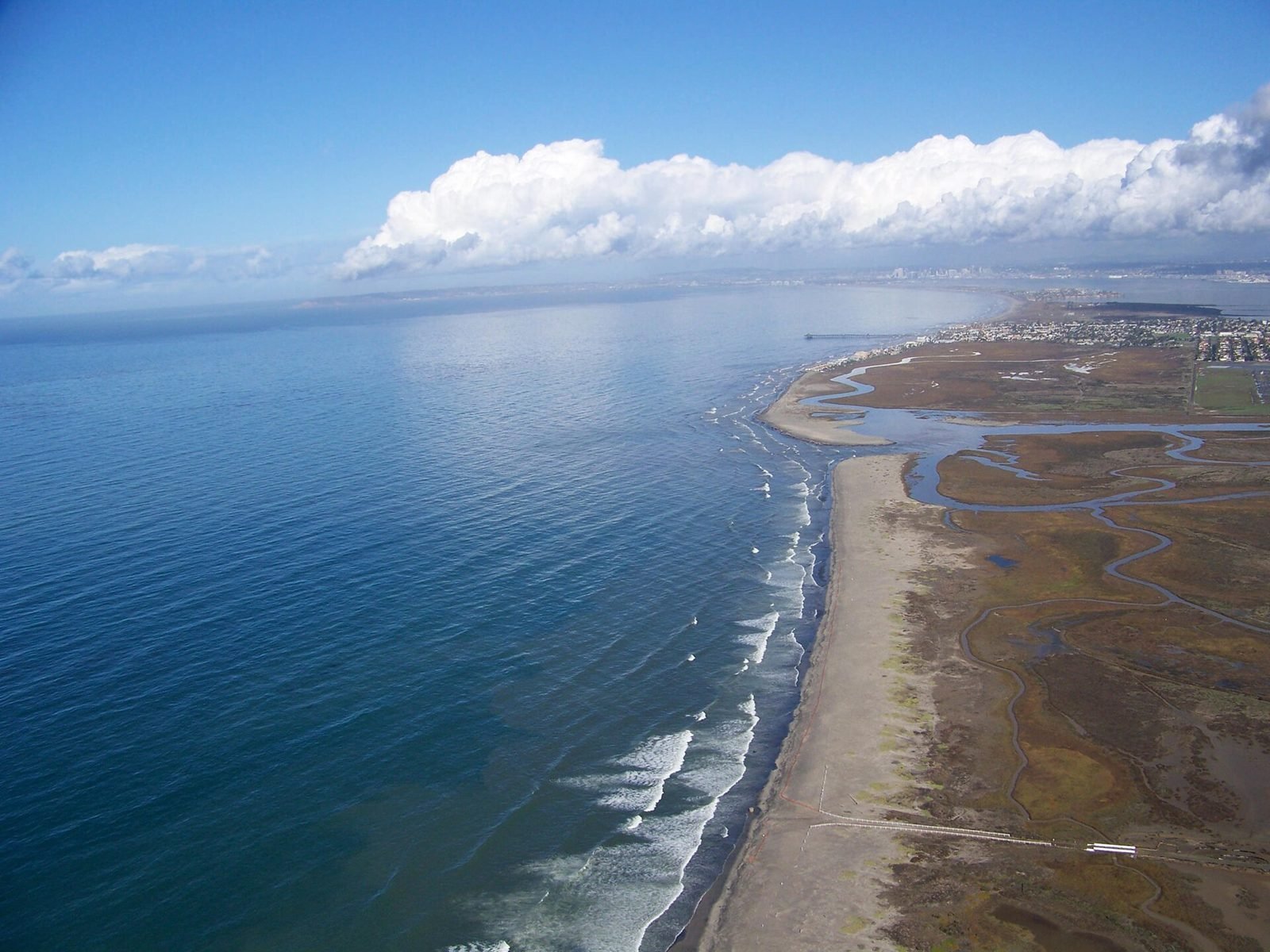
Tijuana River National Estuarine Research Reserve coastline, Imperial Beach, California. Photo: NOAA (oceanservice.noaa.gov), CC0, via Wikimedia Commons.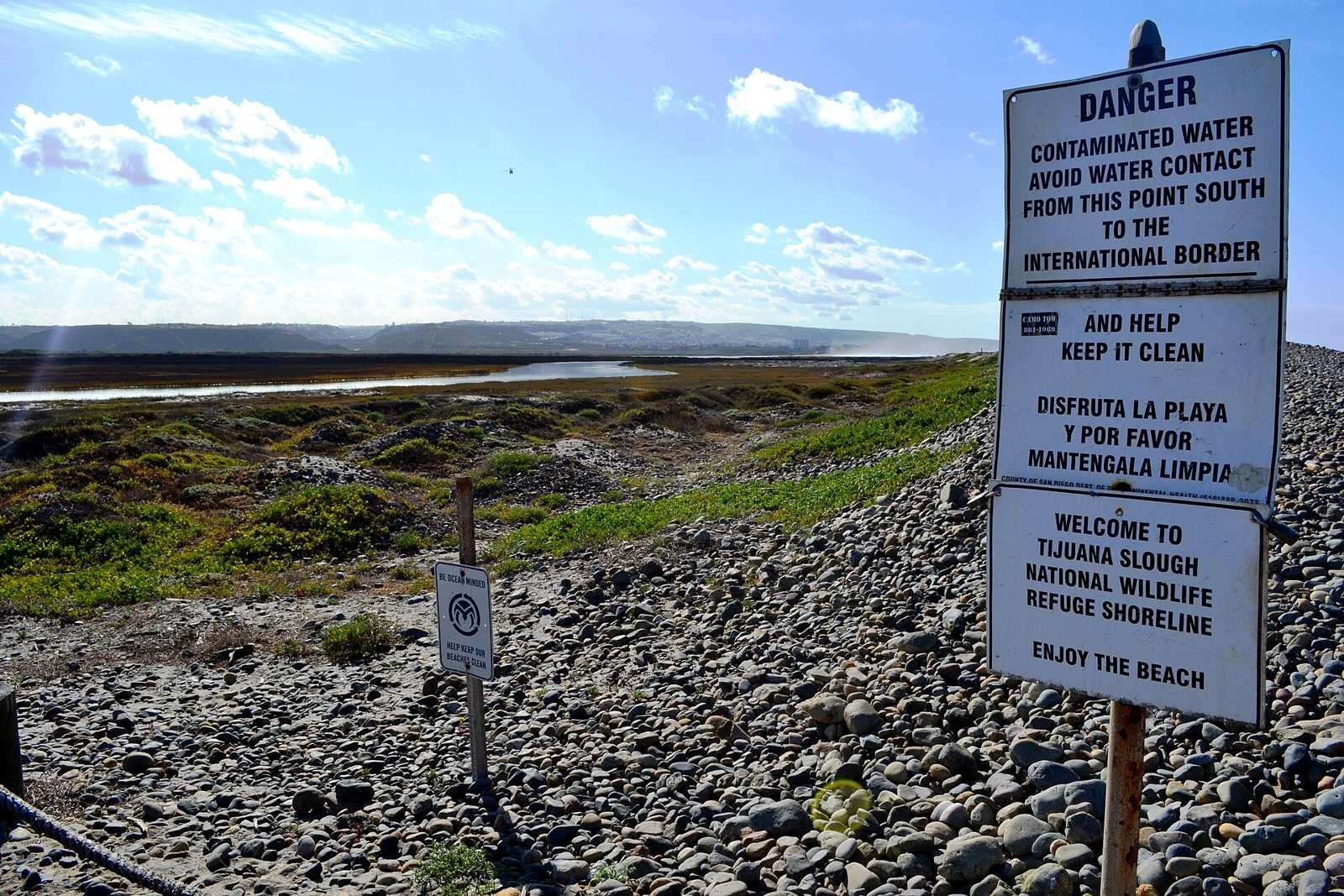
Sewage in rivers is a health problem.
When untreated sewage reaches a river, everyone downstream pays, on both sides of the border.
Beach entrance at Tijuana Slough National Wildlife Refuge. USFWS: warning signs are posted during high tides or heavy rains. Photo: Lisa Cox / USFWS Pacific Southwest Region, Public domain, via Wikimedia Commons.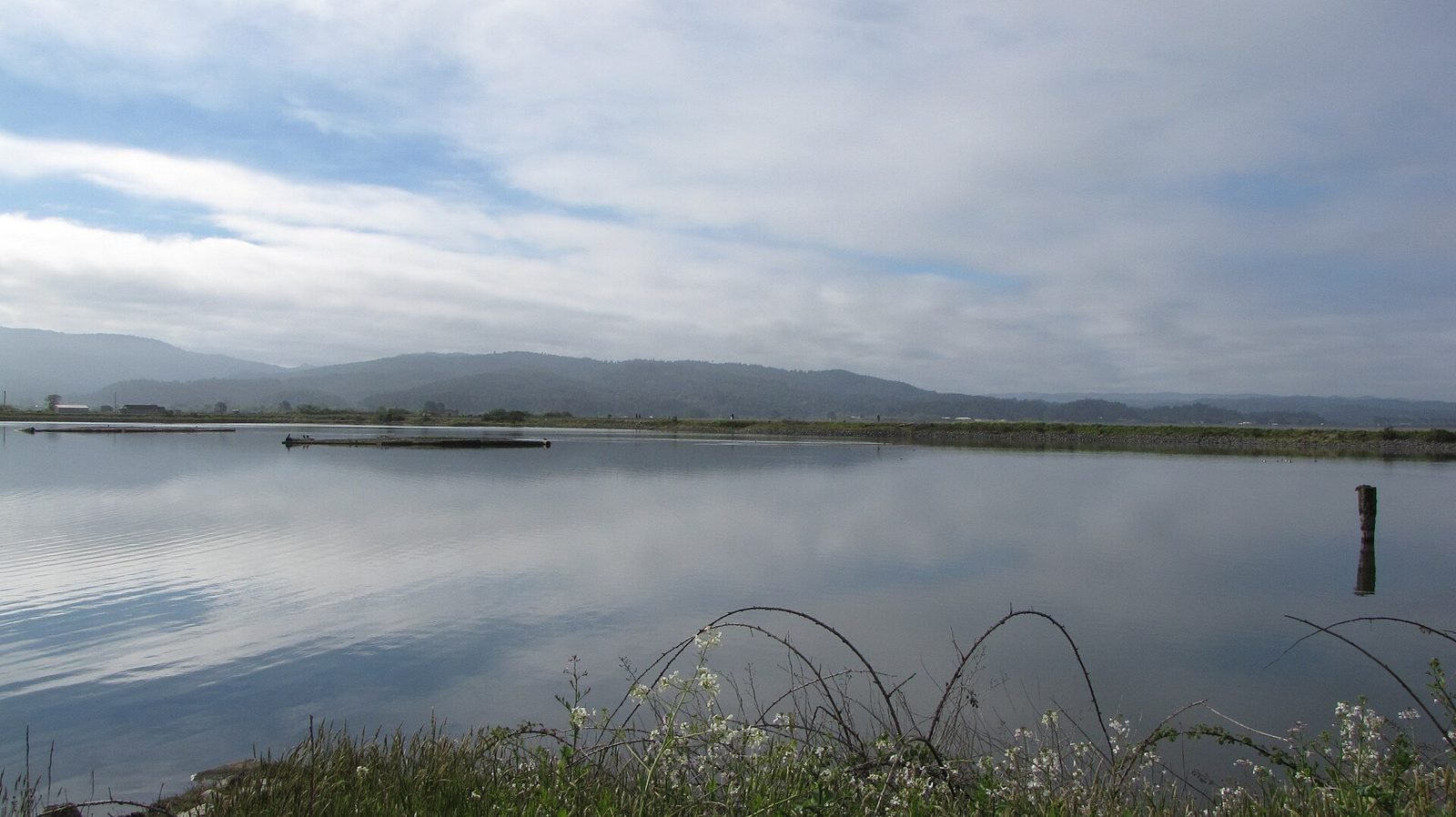
A proven, natural fix.
Since 1986, Arcata, California has polished its treated wastewater in constructed wetlands, now part of a public wildlife sanctuary.
Wetland system completed 1986: US EPA, 1993. City of Arcata.Arcata Marsh and Wildlife Sanctuary, Arcata, California, looking east-southeast across the southern end of the marsh. Arcata’s marshes have polished the city’s treated wastewater since 1986 Photo: Monotropa uniflora, Public domain, via Wikimedia Commons.Maui Water Master Plan
The same approach, applied on Maui: less sewage odor in Lahaina, more water reuse, and sewage solids turned into useful products.
One fix, four wins
Less sewage in rivers and on beaches.
Wetlands that clean water and shelter wildlife.
Low-energy treatment that leans on sun, plants, and time.
Systems built, run, and monitored by local people.
Clean water protects wildlife.
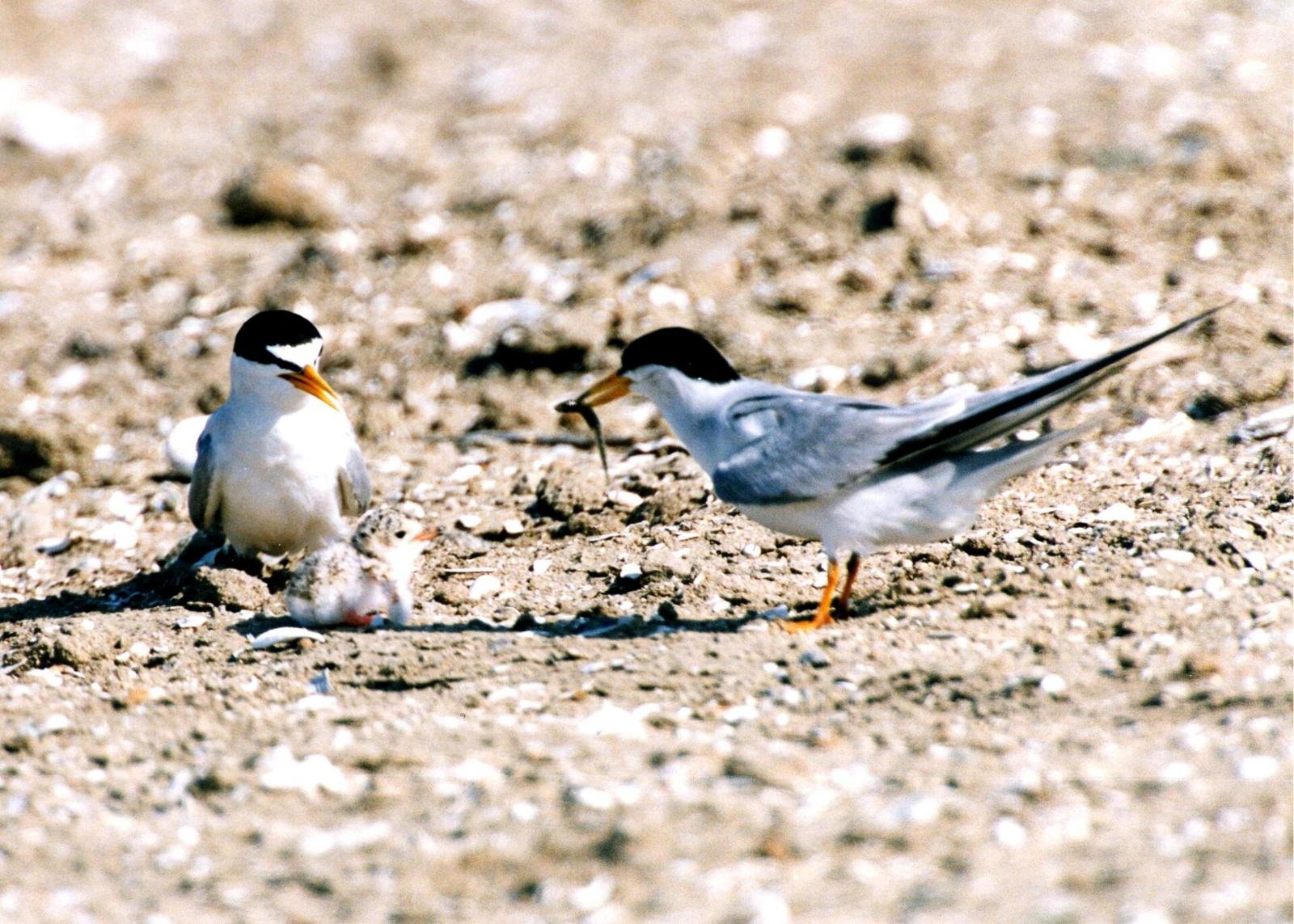
California least terns raise their chicks on the beach at Tijuana Slough National Wildlife Refuge, where the river meets the sea.
California least tern pair feeding a banded chick, Tijuana Slough National Wildlife Refuge. Photo: Rinus Baak / USFWS Pacific Southwest Region, Public domain, via Wikimedia Commons.Wastewater at city scale: Omaha, Nebraska
Sewer Use Fee revenue in the City of Omaha’s 2025 adopted budget, 14.0% of all City revenue sources.
2025 operating budget for the Papillion Creek Water Resource Recovery Facility, which treats wastewater from the western two-thirds of Omaha and nearby communities.
2025 operating budget for the Missouri River Water Resource Recovery Facility, serving the eastern third of the city and Carter Lake, Iowa.
Budgeted figures, not audited actuals. Shown to compare the cost of conventional plants with low-energy pond systems. No freely licensed photo of either plant was available, so none is shown. Source: City of Omaha, 2025 Adopted Budget (Revenue Sources; Public Works, Water Resource Recovery division). Not affiliated with the City of Omaha.
Tools to work on the plan together
Global Watershed Compass
Our free AI dashboard. Join the demo waitlist.
Join the waitlist →Arcata Guide
Nine short steps for towns, cities, regions, and states.
Open the guide →Coaching
Help planning your watershed project.
Start a project →Endangered species
The listed birds and plant of the Tijuana Estuary, and how sewage harms them.
Meet the species →Agriculture & water reuse
Valley farms, ranches, and food, and how treated water could help.
Read more →Products
3D-printed biofilm structures for treatment, biogas, and fertilizer. In development.
Join the pilot list →Hi, I’m Benjamin Hittle.
I’ve worked with USC and Cal Poly, taught Solar and Sustainable Construction at Mendocino College, and teach robotics in Northern California.
Private, not affiliated. Not affiliated with the IBWC, US EPA, CESPT, CONAGUA, UC Berkeley, UC San Diego, or the City of Omaha. We’re filling a gap to help set precedent for long-term water pollution solutions around the globe.
Clean-water know-how, free.
- Arcata BlueprintFree one-page checklist, instantly.
- Watershed WeeklyA short weekly newsletter.
- River Talks First episode coming soonA weekly podcast.
- Member perksFree toolkits · early access to the Global Watershed Compass demo · monthly live Q&A coming soon
Join us.
Policymakers, researchers, and neighbors: help shape the plan for our most vital resource.
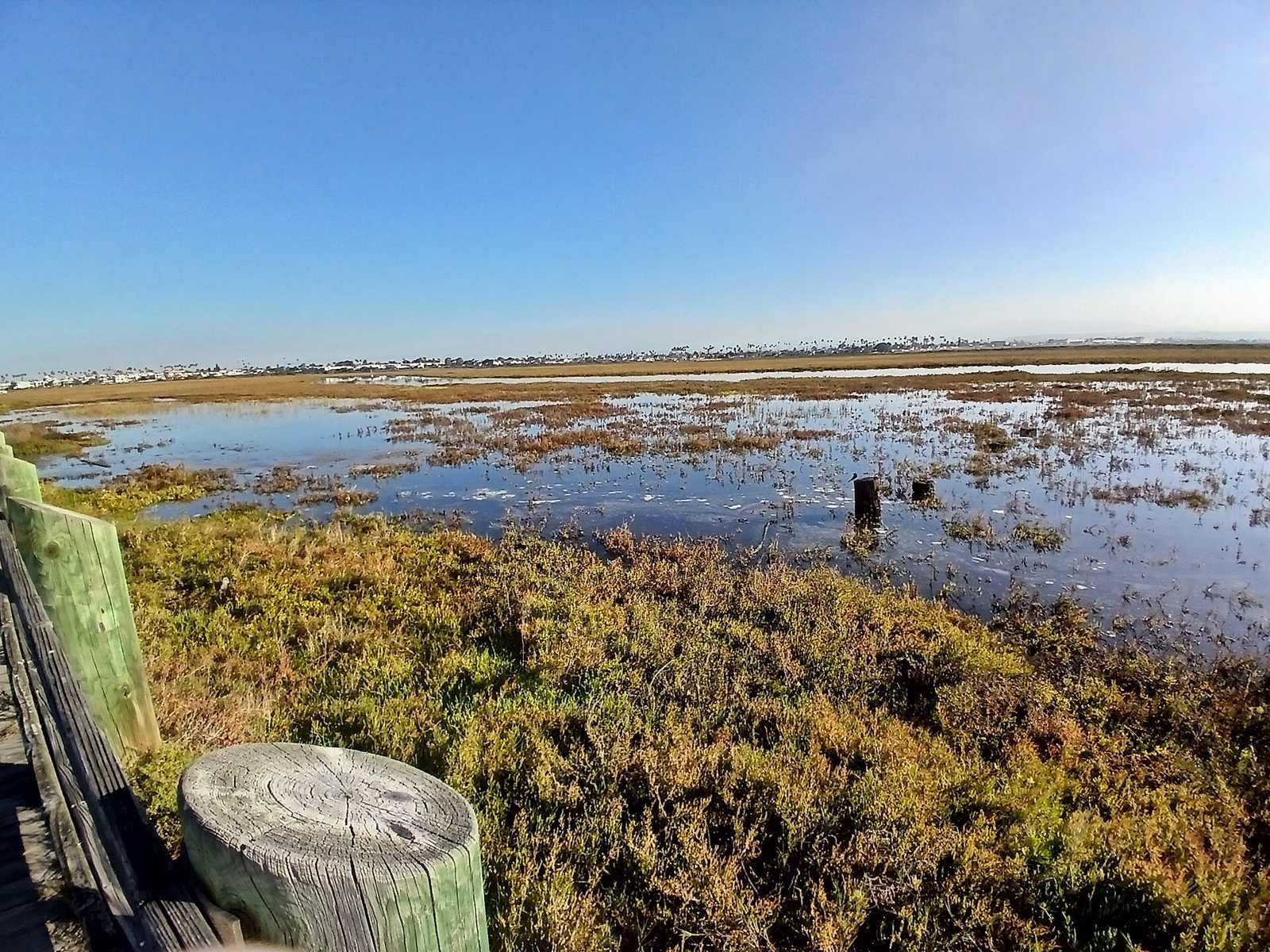
Tijuana Estuary from a trail overlook, Imperial Beach, December 2025. Photo: Issac I Navarro, CC BY 4.0, via Wikimedia Commons.