Our product line · In development
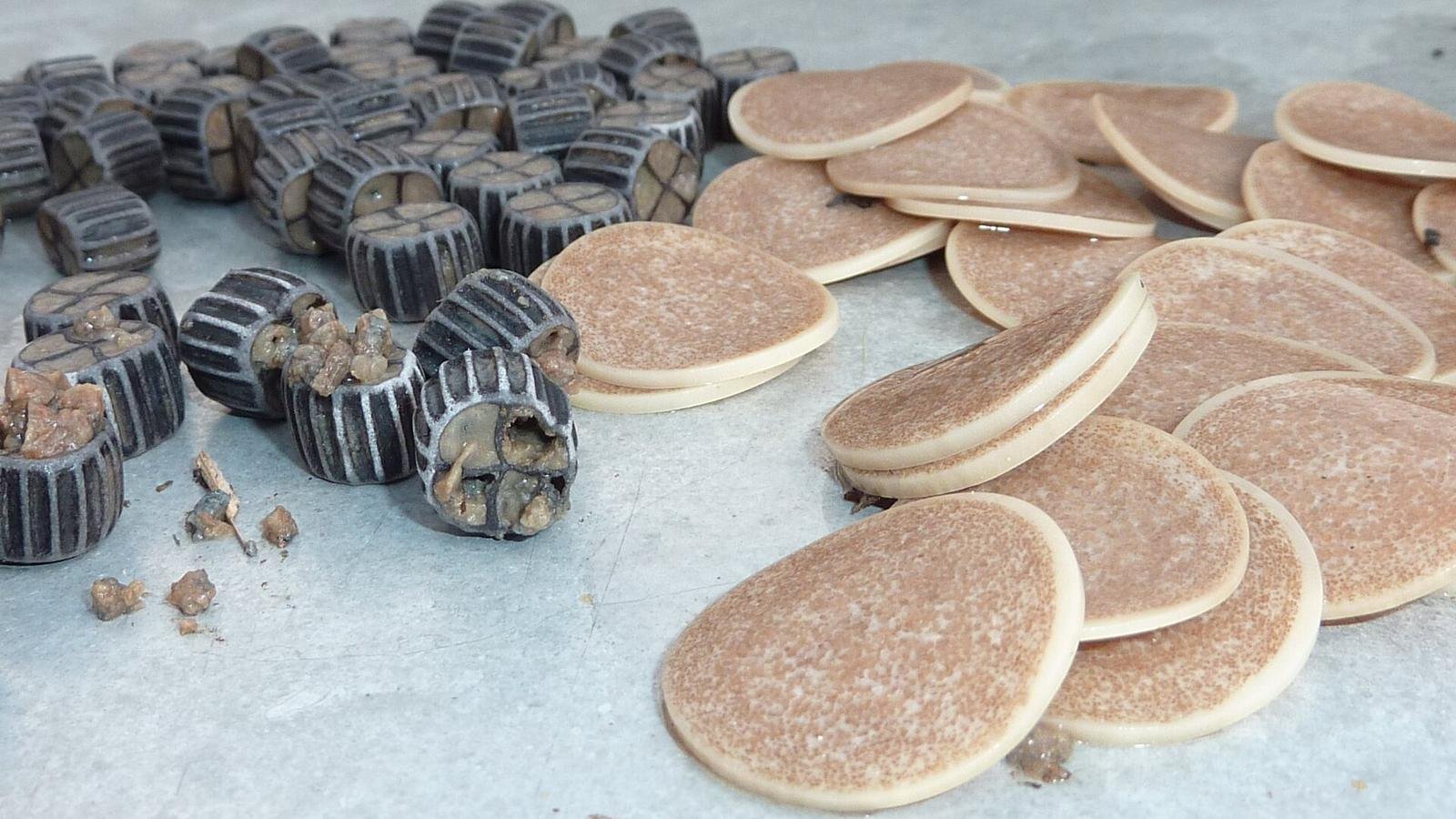
Enhanced BioReactor media — AI-optimized geometry for maximum surface area and rapid digestion
3D-printed structures that give the bacteria in wastewater treatment as much protected surface as possible, with open channels for water to flow through. Geometry is designed with computer optimization so each piece carries more living biofilm in less space.
The goal: help bacteria turn wastewater organics into cleaner water, biogas (methane), and fertilizer.
Status: in development. No prices, test results, or customers yet. We will publish test data only after independent testing.
Request a quote — global shipping quotes available.
How it works
- Aerobic zones
Where there is oxygen, bacteria living as a film on the media break down organic matter. Attached-growth processes like trickling filters and moving-bed reactors use exactly this (EPA; EPA).
- Anaerobic zones and digesters
Without oxygen, other microbes digest organic matter into biogas, mostly methane. EPA notes that fixed-film digesters contain plastic media on which bacteria attach and grow (EPA AgSTAR).
- Digestate to fertilizer
Digestion concentrates nutrients such as nitrogen and phosphorus, and its liquid and solid products can be used as fertilizer or soil amendment (EPA; EPA AgSTAR).
Why 3D printing: peer-reviewed lab research has tested 3D-printed, high-surface-area carriers in moving-bed reactors (Proano-Pena et al., PLOS ONE, 2020). That is third-party research on other designs, not a result for our product.