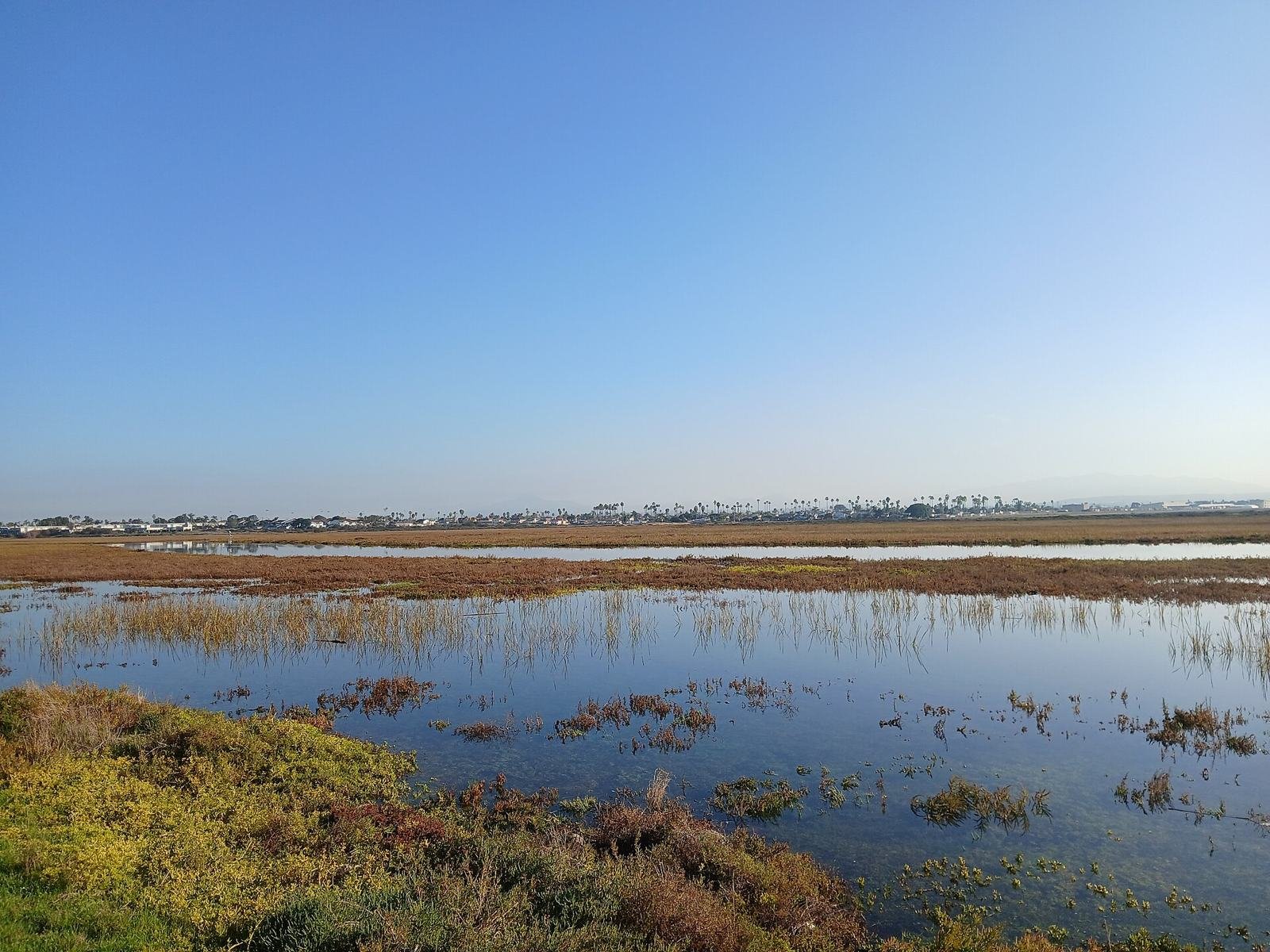
Open water and pickleweed marsh in the Tijuana Estuary
Wildlife · Tijuana River Estuary

Endangered Species of the Tijuana River

Rare birds and a rare plant depend on this estuary. Fixing the sewage is how we keep them.

Tijuana Estuary wetlands, Imperial Beach, December 2025. Photo: Issac I Navarro, CC BY 4.0, via Wikimedia Commons.
Why this place matters

One of Southern California’s most important wetlands

370+

Bird species recorded in the estuary (USFWS).

8

Threatened and endangered species of plants and birds supported by the reserve’s habitats (NOAA).

1980

Year Tijuana Slough National Wildlife Refuge was created, originally to help save the light-footed Ridgway’s rail (USFWS).

The reserve is recognized as a wetland of international importance under the Ramsar Convention (NOAA). The San Diego Regional Water Board lists “Rare, Threatened, or Endangered Species” among the river’s uses harmed by sewage, which brings high nutrient loads, eutrophic conditions, and low oxygen that are detrimental to most aquatic life (Regional Water Board, 2024).

Listed species documented here

Seven species, one river

Statuses checked November 20, 2026 against the US Fish & Wildlife Service (ECOS) and the California Department of Fish and Wildlife animal list dated October 2026 (CDFW). The bird’s-beak’s state status is from the reserve’s 2014 status table. “Fully Protected” is a separate California designation.

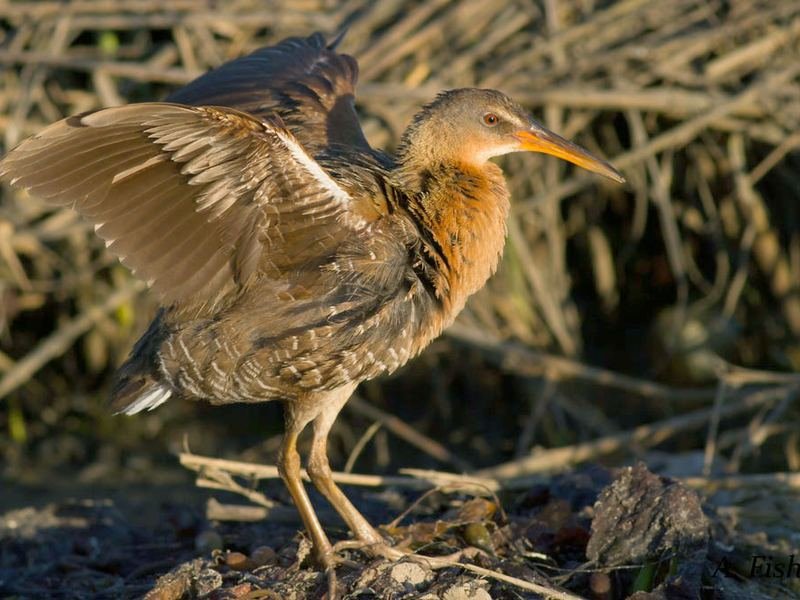
Light-footed Ridgway’s rail stretching its wings in a salt marsh

Light-footed Ridgway’s rail

Rallus obsoletus levipes

Federal: EndangeredCalifornia: EndangeredFully Protected

Why it matters. The refuge was originally established to help save this marsh bird (USFWS). The reserve holds the largest population of the species (TRNERR). It nests in dense cordgrass in the lower salt marsh (USFWS).

How pollution hurts it. When the river mouth closed, sewage-laden fresh water caused eutrophication and low oxygen, and higher-than-normal water levels flooded habitats of sensitive birds (TETRP II EIR/EIS, 2023).

How the plan helps. Proposal Treating sewage in ponds and wetlands before it reaches the river would cut the nutrients that feed low-oxygen conditions in the marsh where the rail nests and feeds.

Status: ECOS · CDFW list, Oct 2026
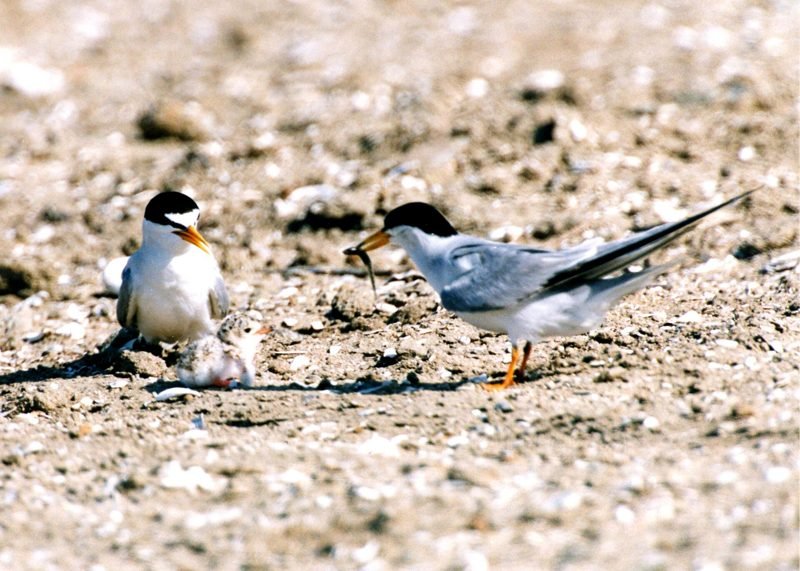
Photo: Andrew Fisher / USFWS, Public domain, via Wikimedia Commons.
Two California least terns feeding a banded chick on the sand

California least tern

Sternula antillarum browni

Federal: EndangeredCalifornia: EndangeredFully Protected

Why it matters. Nests on the refuge’s beaches and dunes; USFWS counted 305 nesting pairs here in 2006 (USFWS). The Coastal Commission names it among listed species in areas harmed by untreated sewage (Coastal Commission, 2023).

How pollution hurts it. Low oxygen from sewage has caused die-offs of fish (TETRP II EIR/EIS), and monitoring found fewer fish and invertebrate species after high flows (Coastal Commission, 2025). Fewer fish means less food for fish-eating birds like terns.

How the plan helps. Proposal Cleaner, better-oxygenated water in the estuary supports the small fish that terns feed to their chicks.

Status: ECOS · CDFW list, Oct 2026

Photo: Rinus Baak / USFWS, at Tijuana Slough NWR, Public domain, via Wikimedia Commons.
Western snowy plover resting on sand

Western snowy plover

Charadrius nivosus nivosus (Pacific Coast population)

Federal: ThreatenedCalifornia: not state-listed

Why it matters. A small number nest in the river-mouth areas and dunes from mid-March to mid-September (USFWS). Nests are mere scrapes in the sand, easily disrupted (TRNERR).

How pollution hurts it. The Coastal Commission names the snowy plover among listed species supported by areas that untreated sewage adversely affects, and notes that excessive sediment and trash can smother and damage the estuary (Coastal Commission, 2023).

How the plan helps. Proposal Less sewage, sediment, and trash arriving at the river mouth protects the beach and dune habitat where plovers nest.

Status: ECOS · CDFW list, Oct 2026

Photo: Alecia Smith / USFWS, Public domain, via Wikimedia Commons.
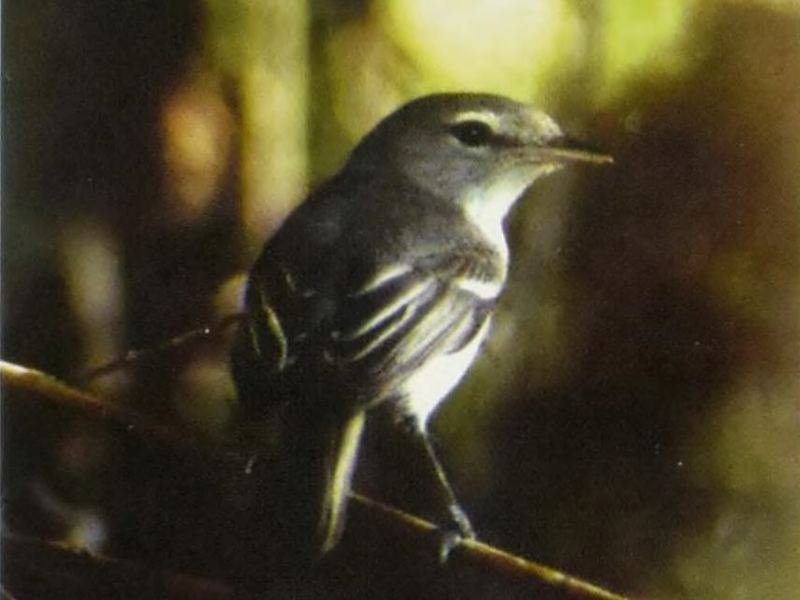
Least Bell’s vireo perched on a branch

Least Bell’s vireo

Vireo bellii pusillus

Federal: EndangeredCalifornia: Endangered

Why it matters. Nests in willow thickets along streams and channels in the reserve (USFWS). Riparian habitat is one of the most critically endangered ecosystems (TRNERR).

How pollution hurts it. Nutrients in sewage flows have been linked to invasive shot hole borer impacts on native plants (Regional Water Board, 2024), and willows closer to polluted flows showed higher pest infestation rates (Coastal Commission, 2025).

How the plan helps. Proposal Removing sewage nutrients from river flows would help protect the willow woodland the vireo needs.

Status: ECOS · CDFW list, Oct 2026
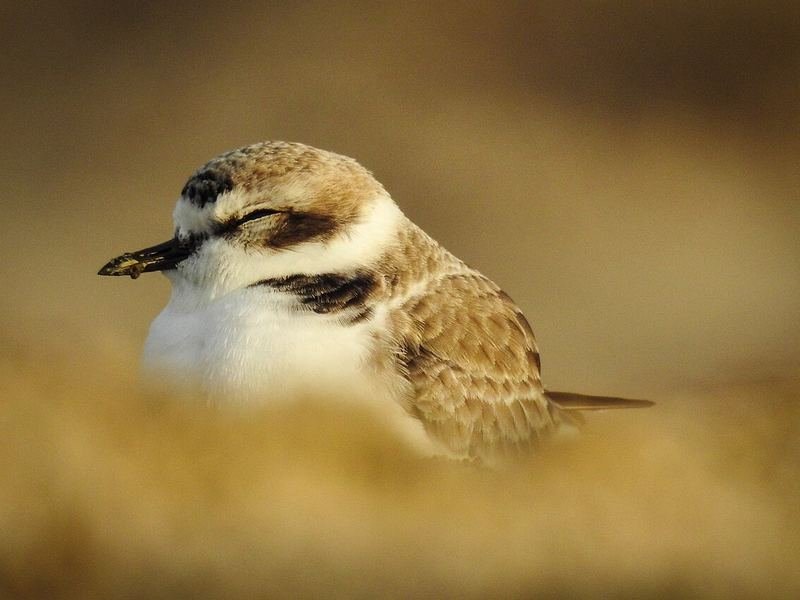
Photo: US Bureau of Land Management, Public domain, via Wikimedia Commons.
Coastal California gnatcatcher perched in a shrub against blue sky

Coastal California gnatcatcher

Polioptila californica californica

Federal: ThreatenedCalifornia: not state-listed

Why it matters. One of five federally listed birds regularly found at the refuge (USFWS). It lives in coastal sage scrub (TRNERR).

How pollution hurts it. It lives in upland scrub rather than in the water, so sewage affects it less directly than the marsh birds. It depends on the reserve staying protected as a whole.

How the plan helps. Proposal Any treatment ponds or wetlands should be sited away from existing coastal sage scrub, so the plan helps marsh species without costing this one habitat.

Status: ECOS · CDFW list, Oct 2026
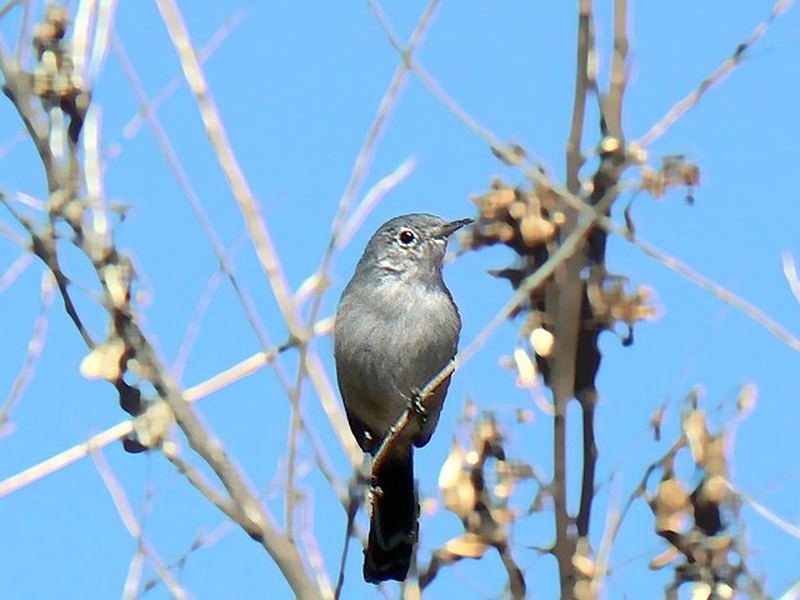
Photo: Marci Koski / USFWS, Public domain, via Wikimedia Commons.
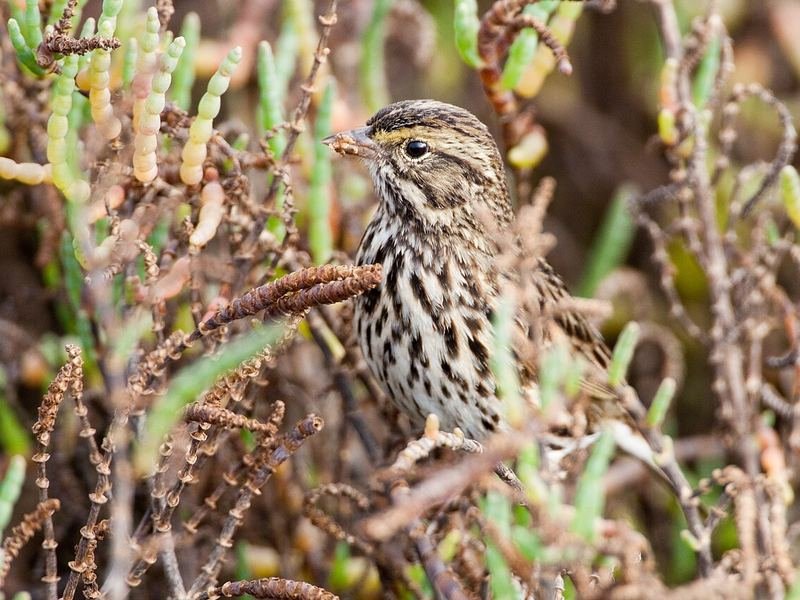
Streaky Belding’s savannah sparrow among pickleweed

Belding’s savannah sparrow

Passerculus sandwichensis beldingi

California: EndangeredFederal: not listed

Why it matters. Nests in the higher salt marsh, especially pickleweed, from March to August (USFWS). It does not migrate; it lives year-round along the higher edge of the salt marsh (TRNERR).

How pollution hurts it. Continuous sewage flows lowered the estuary’s salinity, and brackish marsh replaced salt marsh, to the detriment of species that rely on salt marsh (40 Years of Restoration at Tijuana Estuary).

How the plan helps. Proposal Stopping dry-weather sewage flows helps the marsh stay salty, which is the habitat this sparrow is adapted to.

Status: CDFW list, Oct 2026 · USFWS refuge species page

Photo: Rinus Baak / USFWS, Public domain, via Wikimedia Commons.
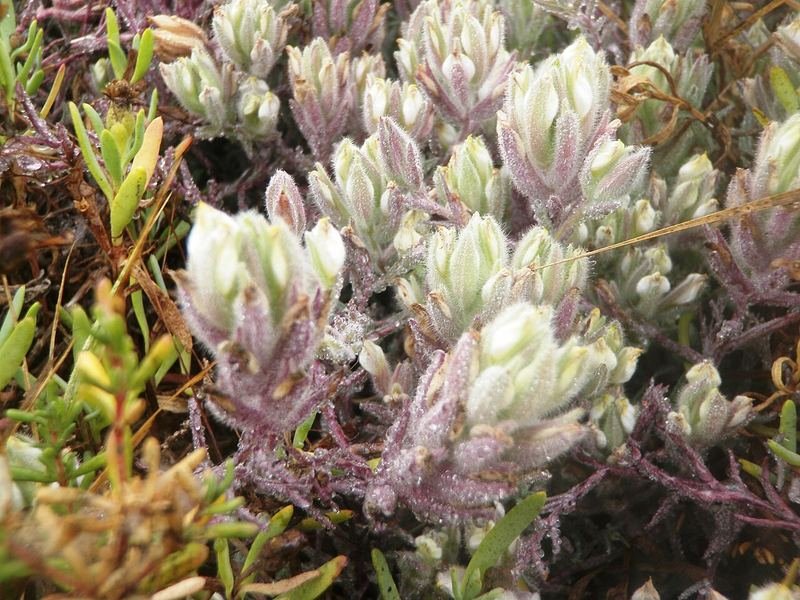
Pale, fuzzy flower spikes of salt marsh bird’s-beak

Salt marsh bird’s-beak

Chloropyron (Cordylanthus) maritimum ssp. maritimum

Federal: EndangeredCalifornia: Endangered

Why it matters. An endangered plant of the upper salt marsh; USFWS lists Tijuana Slough NWR among the refuges where it occurs (ECOS). It needs areas that do not hold standing water for more than 24 hours (TRNERR, 2014).

How pollution hurts it. Sediment carried down the valley has buried roads and impacted salt marsh and salt panne habitat (40 Years of Restoration at Tijuana Estuary), and polluted flows that raise water levels flood the upper marsh where this plant grows (TETRP II EIR/EIS).

How the plan helps. Proposal Holding back sediment and sewage upstream, in managed ponds and wetlands, reduces flooding and burial of the upper marsh.

Status: ECOS · state status per TRNERR table, 2014

Photo: Lisa Cox / USFWS, Public domain, via Wikimedia Commons.
The fix

How the master plan helps wildlife

Proposal Treat sewage close to where it starts, with low-energy ponds and constructed wetlands modeled on Arcata, California, before it reaches the river and the estuary.

  • Fewer nutrients, more oxygen. Ponds and wetlands remove the organic load that drives low-oxygen water in the estuary.
  • New habitat, not just pipes. Arcata’s final treatment marshes are a public wildlife sanctuary (City of Arcata).
  • Solids captured, not washed out. Digesters turn settled solids into biogas. Biogas at Reimagine Landfills.

Any real project would need engineering design, permits, and review under the federal and California Endangered Species Acts so it does not harm the species it is meant to help.

Not on this list, and why

  • California brown pelican — once listed here; federally and state delisted as recovered in 2009 (CDFW).
  • Tidewater goby and Pacific pocket mouse — federally endangered in Southern California, but we did not find them documented at the Tijuana Estuary in the sources checked.
  • Southwestern willow flycatcher — named in a 1999 refuge notice, but not on the current USFWS list of listed birds regularly found here.

Help protect the estuary

Get the free Arcata Blueprint, talk to us about your watershed, or pay an invoice.